What is Wind Turbine Energy and How Does It Work?
Wind turbine energy is becoming a vital part of our renewable energy landscape. According to Dr. Lisa Hawthorne, an expert in this field, “Harnessing wind turbine energy is not just about technology; it’s about a sustainable future.” This powerful statement reflects both the potential and the challenges of this energy source.
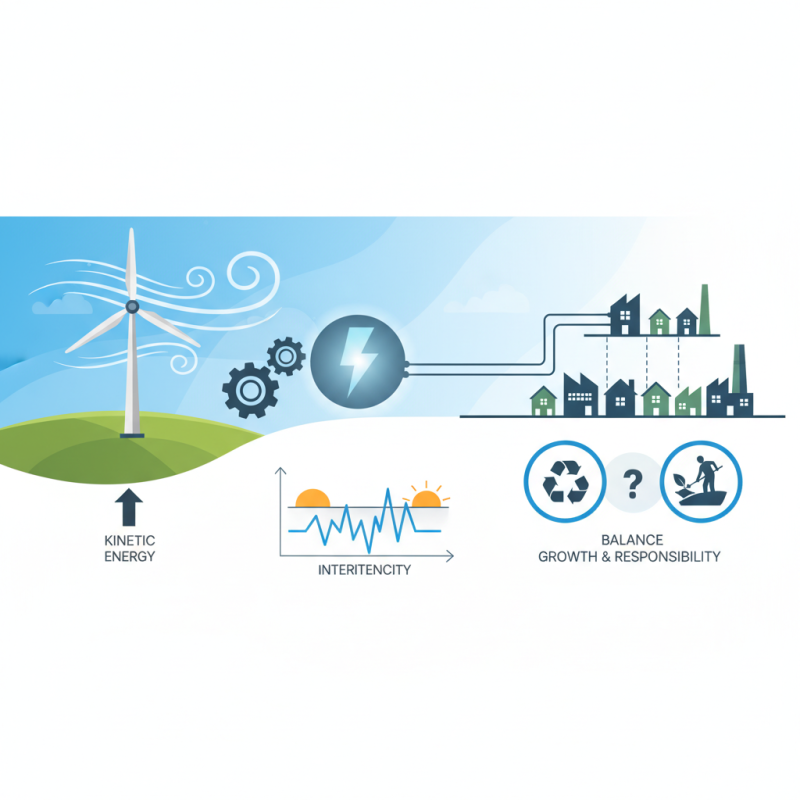
Wind turbine energy harnesses the kinetic energy of the wind, converting it into electricity. Each turbine stands tall, often in remote areas where winds are strong and consistent. These structures can seem daunting, yet they have the ability to generate substantial power. While this technology offers a cleaner alternative to fossil fuels, integrating it with existing energy systems can be complex.
Despite its promise, wind turbine energy struggles with some limitations. Intermittency is a major issue; wind does not always blow. This can impact energy supply and consistency. Furthermore, the materials and land use involved in constructing turbines have sparked debates. Every stride we take in wind energy brings us closer to addressing these important questions. How do we balance growth with responsibility?
What is Wind Turbine Energy?
Wind turbine energy harnesses the power of the wind to generate electricity. This renewable source is becoming increasingly important. As wind blows, it turns the blades of the turbine. This motion drives a generator that produces electricity. The process is clean and sustainable, making it an appealing option for energy production.
Understanding wind turbine energy is crucial in today's world. It reduces reliance on fossil fuels. Yet, not every location is suitable. Areas with consistent wind patterns are ideal. Still, even these sites can face challenges. Birds and bat fatalities are a concern. Noise pollution from turbines may bother nearby residents.
The technology behind wind turbines is evolving. Advances aim to enhance efficiency and reduce costs. However, there are still hurdles to overcome. Storage of energy produced can be inefficient. Often, energy generation does not align with demand. This discrepancy needs addressing for broader adoption of wind power.
The History and Development of Wind Energy Technology
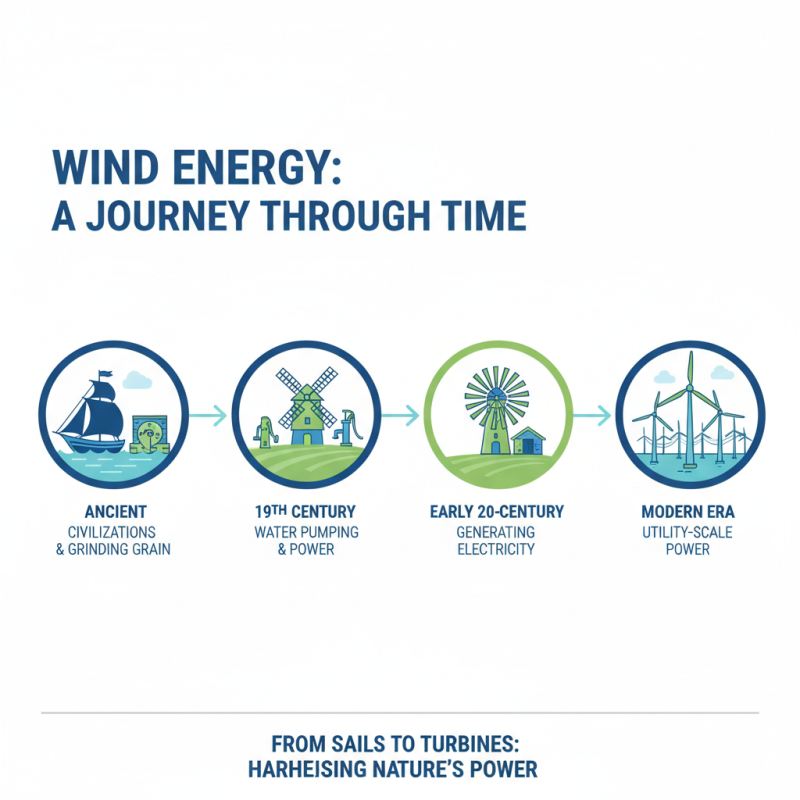
The history of wind energy technology stretches back millennia. Ancient civilizations used wind power for sailing and grinding grain. By the 19th century, windmills became common in rural areas, harnessing wind to pump water and produce energy. This laid the foundation for modern wind turbines.
In the late 20th century, awareness of renewable energy spurred advancements. The first commercial wind farm opened in California in 1981. According to the Global Wind Energy Council, by 2021, the global wind capacity reached over 750 gigawatts. This growth marks a significant shift towards sustainable energy sources. However, the industry faces challenges. Turbine efficiency and environmental impacts require careful consideration.
Tips: When thinking about investing in wind energy, research local regulations. Consider the potential environmental effects. Employing the latest technology and innovation can improve efficiency. Each advancement could lead to a greater yield, yet many projects still face skepticism. Balancing progress with ecological concerns is vital for future developments.
How Wind Turbines Generate Electricity: A Step-by-Step Process
Wind turbines harness the power of the wind to generate electricity. They consist of large blades attached to a rotor. As the wind blows, it turns these blades. This mechanical motion is crucial for generating energy. A turbine's efficiency depends on wind speed and blade design. Not every site is suitable for turbines; some places may have inconsistent winds.
Once the blades turn, the rotor spins a generator. This process converts kinetic energy from the wind into electrical energy. However, this conversion can be inefficient. Sometimes, the generator requires more maintenance than expected. The electricity produced is then sent to the power grid. It may not reach homes immediately. Factors like distance and infrastructure matter.
Wind energy is renewable, but it has limitations. Turbines can impact local wildlife. Their presence may alter landscapes. Not all communities are in favor of their installation. Understanding these nuances is essential. Embracing wind energy involves both benefits and challenges. It’s a step forward, but there's still much to improve.
Components of a Wind Turbine and Their Functionality
Wind turbines are fascinating machines, and their components play crucial roles. These machines convert wind energy into electrical power. The main parts include the rotor, nacelle, tower, and foundation. Each of these has a specific task to ensure efficiency.
The rotor consists of blades that capture wind. As wind moves, it spins the rotor. This movement generates energy. The nacelle houses the gearbox and generator. These components convert mechanical energy into electrical energy. The tower elevates the rotor to capture more wind. Taller towers tend to produce more energy. The foundation supports the entire structure, anchoring it firmly to the ground.
Though sophisticated, wind turbines are not perfect. They depend heavily on wind conditions. If there's no wind, they can stall. Maintenance is also essential. It can be costly and requires specialized skills. Understanding these components helps in appreciating their functionality and the challenges they face.
Wind Energy Production by Wind Turbine Size
This bar chart illustrates the energy production potential of different sizes of wind turbines in megawatts (MW). The data showcases how larger turbines can significantly increase energy output, reflecting their efficiency in harnessing wind energy.
Benefits and Challenges of Wind Turbine Energy Systems
Wind turbine energy presents a renewable solution for our energy needs. The systems harness wind power to generate electricity. They convert kinetic energy from wind into electrical energy through turbines. This process can significantly reduce dependence on fossil fuels.
However, there are challenges. Wind energy production is variable. It relies on wind availability, which can fluctuate. Sometimes, turbines may not generate enough power when demand is high. Moreover, the impact on local wildlife and noise levels can spark debates. Some communities hesitate to welcome these systems due to environmental concerns.
Despite the obstacles, wind energy has notable benefits. It produces no emissions during operation, which helps combat climate change. Additionally, wind farms can create jobs and stimulate local economies. Balancing these advantages and challenges requires thoughtful planning and community engagement. It's essential to address concerns properly while promoting sustainable energy growth.