What is a Wind Turbine? Understanding Their Function and Benefits Explained
Wind turbines have emerged as a pivotal technology in the quest for sustainable energy solutions, transforming how we harness the power of the wind. As expert in renewable energy, Dr. Emily Carter states, "Harnessing wind through turbines not only aids in reducing our carbon footprint but also fosters energy independence." This statement captures the essence of wind turbines as a means to transition from fossil fuels to a cleaner, more renewable energy landscape.
Understanding the function and benefits of wind turbines is crucial as they play an integral role in combating climate change and advancing energy technology. By converting kinetic energy from wind into electrical energy, these structures contribute significantly to the global energy supply while promoting environmental stewardship. As nations look to meet energy demands without compromising the health of our planet, the strategic implementation of wind turbines represents a forward-thinking approach to sustainable development. In this exploration, we will delve into how wind turbines operate, their environmental advantages, and their importance in shaping the future of energy systems worldwide.
What is a Wind Turbine? A Comprehensive Overview
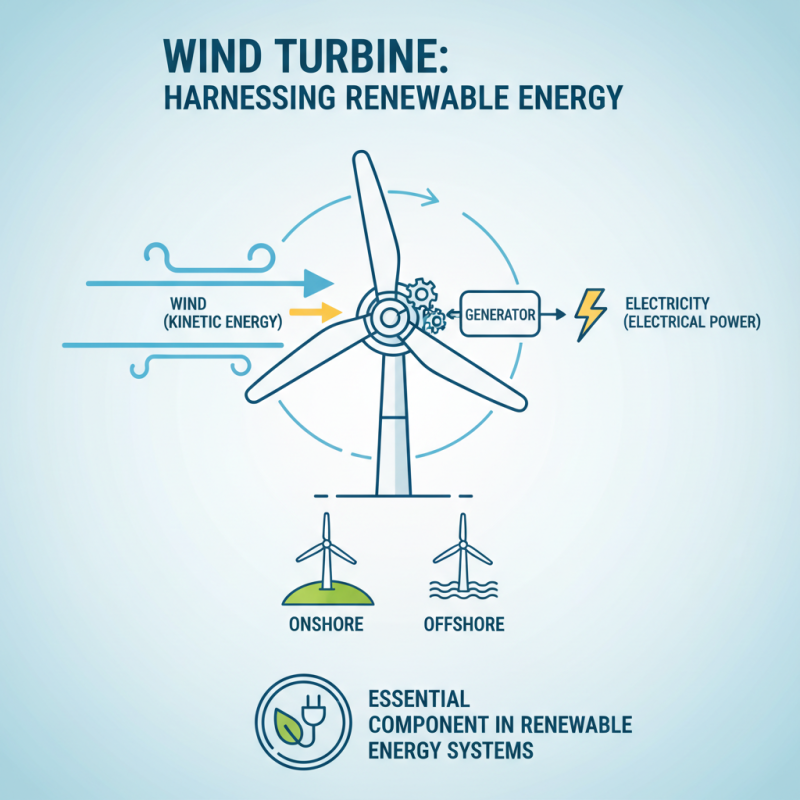
A wind turbine is a device that converts kinetic energy from the wind into mechanical power. This process involves a set of blades that rotate when wind flows over them, turning a shaft connected to a generator. As the blades turn, they harness the wind's energy and facilitate the generation of electricity, making wind turbines an essential component in renewable energy systems. They can be found both onshore and offshore, strategically placed to maximize efficiency and energy capture.
The benefits of wind turbines are significant and multifaceted. They play a critical role in reducing reliance on fossil fuels, thus minimizing greenhouse gas emissions that contribute to climate change. Additionally, wind energy is sustainable and inexhaustible as long as the sun shines and the wind blows. Economically, wind turbines can lead to the creation of jobs in manufacturing, installation, and maintenance sectors, bolstering local economies. Furthermore, with advances in technology, modern turbines are increasingly efficient, capable of producing more electricity from lower wind speeds, which enhances their feasibility in diverse locations.
Components of a Wind Turbine: An In-Depth Look
Wind turbines are complex structures comprised of several key components, each playing a vital role in harnessing wind energy. The most visible part is the rotor, consisting of blades that rotate when the wind blows. These blades are designed to capture wind energy efficiently, converting kinetic energy into rotational energy. The rotor is attached to a hub, which connects to the nacelle, a crucial component housing the gear system, generator, and other electronics.
Inside the nacelle, the gearbox regulates the turbine's rotational speed, allowing the generator to produce electricity at a consistent rate. The generator transforms mechanical energy into electrical energy, which can then be fed into the grid. Additionally, the tower supports the nacelle and rotor at a height that maximizes wind exposure. Some turbines also include a yaw system that enables the turbine to turn and face the wind, optimizing energy capture, while braking systems ensure safety during extreme weather conditions. Understanding these components illustrates how wind turbines operate efficiently to convert renewable energy into usable electricity.
Wind Turbine Components and Their Impact on Energy Production
How Wind Turbines Generate Electricity: The Science Explained
Wind turbines are fascinating devices that harness the power of wind to generate electricity. They operate on a simple yet effective principle: the kinetic energy of wind spins large blades attached to a rotor, which in turn spins a generator. As the wind passes over the blades, the pressure difference created leads to rotation, converting the wind’s energy into mechanical energy. This mechanical energy is subsequently transformed into electrical energy through the generator, providing a renewable and sustainable source of power for communities.
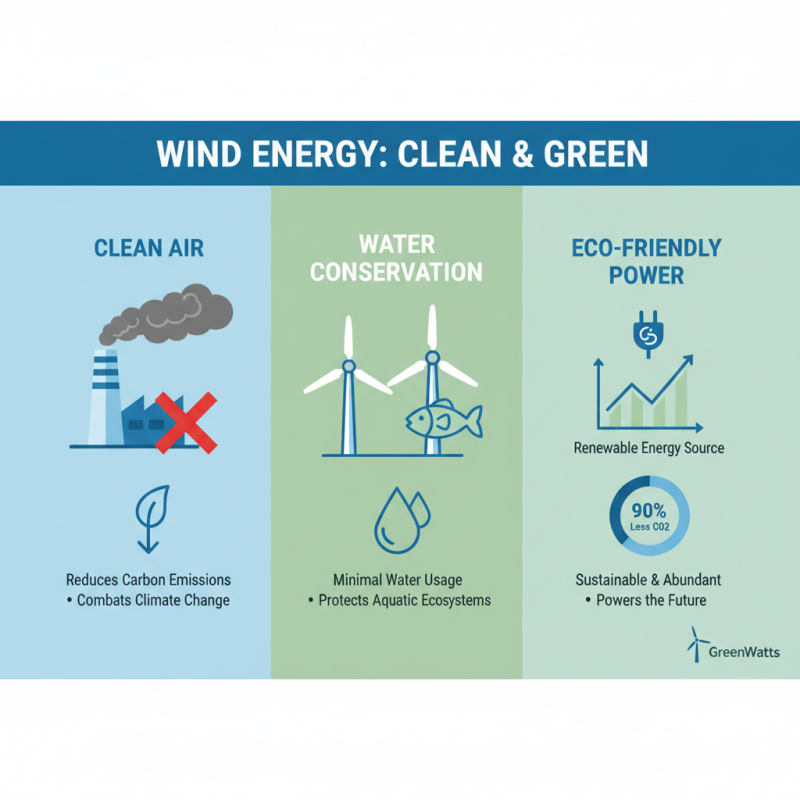
One of the key benefits of wind turbines is their minimal environmental impact once installed. Unlike fossil fuel sources, they produce no emissions during operation, contributing to cleaner air and a reduction in greenhouse gases. Additionally, wind power is a sustainable energy source because it relies on an infinite resource—the wind. As technology advances, turbines are becoming more efficient, allowing them to capture more energy even at lower wind speeds.
Tips for maximizing wind turbine efficiency include proper site selection, where wind patterns are favorable, and ensuring regular maintenance to keep the turbines functioning optimally. Additionally, incorporating energy storage solutions can help manage supply when wind conditions are less favorable, ensuring a constant electricity supply for users. By understanding these aspects, individuals and businesses can take full advantage of wind energy's potential benefits.
The Benefits of Wind Energy: Environmental and Economic Impact
Wind energy has emerged as a pivotal source of renewable energy, offering numerous environmental and economic benefits. On the environmental front, wind turbines significantly reduce carbon emissions by displacing the need for fossil fuels in electricity generation. This transition not only leads to cleaner air but also helps combat climate change by lowering greenhouse gas concentrations in the atmosphere. Furthermore, wind energy requires minimal water for operations compared to traditional energy sources, thereby conserving vital water resources and protecting aquatic ecosystems.
Economically, wind energy can stimulate local job creation and promote energy independence. As wind farms are built and maintained, they generate permanent jobs in construction, operation, and maintenance, often revitalizing rural communities. Additionally, harnessing wind energy reduces dependence on imported fuels, allowing nations to invest in their own renewable resources and boosting local economies.
Tips: To maximize the benefits of wind energy in your community, consider advocating for local wind projects and supporting policies that encourage renewable energy solutions. Educate yourself and others about the advantages of wind energy, as public awareness can drive further investment and innovation in this sustainable sector.
Challenges and Considerations in Wind Turbine Implementation
Implementing wind turbines presents several challenges that stakeholders must consider to ensure successful deployment. One primary issue is site selection, which requires careful analysis of wind patterns, environmental impact, and proximity to existing infrastructure. Locations with consistent and strong wind resources are ideal, but they may also overlap with ecologically sensitive areas or urban developments, leading to potential conflicts. Assessing these sites necessitates extensive research and collaboration with local communities, environmental groups, and regulatory bodies.
Another significant consideration is the initial investment and ongoing maintenance costs. While wind energy is increasingly recognized as a cost-effective alternative to fossil fuels, establishing wind farms involves substantial upfront expenditures for equipment and installation. Additionally, regular maintenance is crucial to prolong the lifespan of turbines and optimize their efficiency, posing logistical challenges, especially in remote areas. Stakeholders must develop comprehensive financial strategies that account for long-term operational expenses, as well as potential subsidies or incentives that could mitigate some of these costs. Balancing economic viability with environmental and societal implications is essential for the sustainable growth of wind energy as a key component in the transition to renewable energy sources.
What is a Wind Turbine? Understanding Their Function and Benefits Explained - Challenges and Considerations in Wind Turbine Implementation
| Dimension |
Description |
| Function |
Convert kinetic energy from wind into electrical energy |
| Benefits |
Renewable energy source, reduces greenhouse gas emissions, creates jobs |
| Challenges |
Intermittent energy supply, impact on wildlife, noise and aesthetic concerns |
| Considerations |
Location assessment, community acceptance, regulatory compliance |
| Efficiency |
Varies based on wind speeds—typically around 35%-45% efficiency |
| Maintenance |
Regular maintenance needed for mechanical components and condition monitoring |