Why Choose Wind Power Energy for Sustainable Business Growth?
Wind power energy is becoming a cornerstone for sustainable business growth. As the world shifts toward greener solutions, this industry offers not just renewable energy but also economic benefits. Experts believe that harnessing wind power can drive innovation and stability.
Dr. Emily Carter, a leading renewable energy researcher, stated, "Investing in wind power energy is investing in our planet's future." This perspective reflects a growing consensus that businesses must integrate sustainability into their core operations. Wind energy can reduce operational costs and enhance corporate responsibility.
Yet, challenges remain. Some companies struggle with the initial investment and implementation. The potential for wind power energy to transform industries is clear, but the journey requires careful planning. Embracing this transition could yield profound rewards, driving long-term growth and environmental stewardship.
Benefits of Wind Power for Sustainable Business Development
Wind power has become a crucial aspect of sustainable business development. By harnessing natural resources, companies can reduce their carbon footprint significantly. This shift not only lowers greenhouse gas emissions but also addresses rising energy costs. Many businesses are realizing the financial benefits of wind energy investments.
One major advantage of wind power is its scalability. Companies can start small, using smaller turbines, and expand as their energy needs grow. This flexibility can lead to substantial savings over time. Moreover, wind energy is abundant and renewable. Unlike fossil fuels, it won't deplete over time, ensuring a sustainable energy source for future generations.
However, embracing wind energy does come with its challenges. The initial investment can be high and might seem daunting. Furthermore, not all locations are suitable for wind energy. Potential sites need to be carefully evaluated. Despite these obstacles, many businesses find the long-term benefits of wind power outweigh the early hurdles. With a blend of planning and dedication, companies can effectively harness wind energy for sustainable growth.
Why Choose Wind Power Energy for Sustainable Business Growth? - Benefits of Wind Power for Sustainable Business Development
| Benefit |
Description |
Impact on Business |
| Cost Reduction |
Wind power is becoming increasingly cost-competitive compared to fossil fuels. |
Lower energy costs enhance profit margins and allow more investment in core business activities. |
| Sustainability |
Wind energy is a clean and renewable resource that reduces carbon footprint. |
Improved brand image and customer loyalty through commitment to sustainability. |
| Energy Independence |
Reduced reliance on imported fuels enhances energy security. |
Minimized vulnerability to price fluctuations in the global energy market. |
| Job Creation |
The wind energy sector is a significant source of job creation in manufacturing and maintenance. |
Boosts local economies and communities, fostering goodwill and collaboration. |
| Innovation |
Investment in wind energy drives technological advancements and innovation. |
Encourages a culture of innovation and efficiency in business operations. |
Cost-Effectiveness of Wind Energy Solutions for Enterprises
The cost-effectiveness of wind energy is becoming increasingly important for businesses. A report from the Global Wind Energy Council indicated that onshore wind power now ranks as one of the cheapest sources of new electricity generation. The cost of wind energy dipped more than 40% between 2010 and 2020, making it a financially viable option for enterprises.
In many regions, wind energy projects can achieve levelized costs below $30 per megawatt-hour. Such savings can drastically reduce operational expenses for businesses, especially those with significant energy consumption. Transitioning to wind power not only cuts costs but also offers stability against fluctuating fossil fuel prices. Furthermore, corporations that harness wind energy can enhance their sustainability credentials, which appeals to environmentally conscious consumers.
Despite the advantages, challenges exist. Initial investment costs can be high, and not all locations are suited for wind farms. Companies must conduct thorough assessments before committing. However, the long-term financial and environmental benefits often outweigh these hurdles. As businesses seek to grow sustainably, embracing wind energy emerges as a powerful solution for cost savings and responsible practices.
Reducing Carbon Footprint Through Wind Power Implementation
Wind power is a vital resource for businesses aiming for sustainable growth. By shifting to wind energy, companies significantly reduce their carbon footprint. This transition not only benefits the environment but can also enhance a brand's image. People today value sustainability. They are likely to support businesses committed to reducing their environmental impact.
Many companies underestimate the importance of assessing their current energy consumption. Understanding energy use helps identify how much wind power can be integrated. It's also essential to recognize the potential for energy savings. Companies should evaluate available land for wind turbine installation. Partnering with local experts can help streamline this process.
Some businesses may find the initial investment daunting. However, the long-term savings can be considerable. Investing in renewable energy can offset operational costs over time. Regular monitoring of energy usage also yields valuable insights for improvement. Businesses should stay informed about advancements in wind technology. This knowledge can lead to more efficient operations and reduced emissions.
Regulatory Incentives and Support for Wind Energy Adoption
Regulatory incentives play a critical role in promoting wind energy adoption. Governments worldwide are implementing policies to support renewable energy through tax credits, grants, and feed-in tariffs. For instance, the International Renewable Energy Agency reports that global investments in renewable energy exceeded $300 billion in 2020.
The U.S. wind sector alone benefits from the Production Tax Credit, which has helped it grow significantly over the past decade.
There are challenges in accessing these incentives. Some businesses find the application process complex and time-consuming. According to the National Renewable Energy Laboratory, a lack of understanding regarding available subsidies can hinder smaller enterprises from tapping into wind energy benefits. Engaging with local experts can help navigate this landscape more effectively.
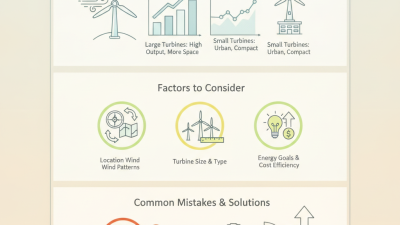
When planning for wind energy adoption, consider these factors. Assess your location’s wind resources and local regulations. Collaborate with stakeholders to gain insights on best practices. Remember, while there are incentives, financial viability remains crucial. Evaluate ongoing costs versus potential savings for a detailed analysis.
Case Studies: Successful Businesses Using Wind Power Sustainability
Wind power has emerged as a powerful tool for businesses seeking sustainability. Companies across various sectors have adopted this clean energy source to enhance their operations. For instance, a manufacturing firm reduced operational costs significantly by integrating wind energy. They not only cut utility bills, but also improved their brand image. Consumers are increasingly drawn to businesses making eco-friendly choices.
A tech company also demonstrates the shift towards wind energy. By investing in wind farms, they achieved substantial energy independence. The transition was not entirely smooth; initial setup costs were high and required careful planning. However, the long-term benefits outweighed these early challenges. They reported a 30% reduction in carbon footprint within just a few years.
These case studies highlight a broader trend in business practices. Companies are realizing that sustainability fosters growth. While challenges exist, the shift towards wind energy shows promise. More businesses should consider this path for a greener future.