What Are Energy Projects and How Do They Work?

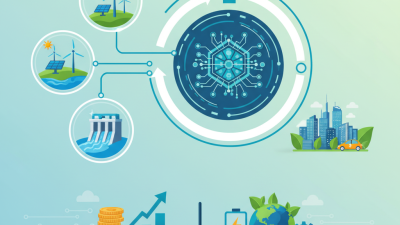
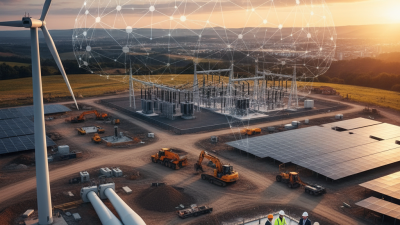
Energy projects are the practical systems that convert resources into usable power, heat, or fuel. They include solar farms, wind parks, hydropower facilities, battery storage, transmission lines, and efficiency upgrades. Some are built in remote fields. Others operate on city rooftops or beside factories.

Their work begins long before construction. Developers study demand, land conditions, grid capacity, environmental effects, and community concerns. Engineers then select equipment, estimate output, and design safety controls. Financial teams assess costs, revenue, funding, and changing market conditions. Regulators review permits and compliance requirements. Construction follows only when the project appears technically and financially workable.

The process is not perfectly predictable. Weather can reduce renewable generation. Equipment may arrive late. Grid connections can take years. Early forecasts can also prove too optimistic. That uncertainty makes careful monitoring essential.

Fatih Birol, Executive Director of the International Energy Agency, has said, “The clean energy economy is emerging faster than many people think.” His observation reflects a major shift in energy projects, but progress is uneven. A solar project may produce clean electricity, yet still face land conflicts or transmission limits. A battery can stabilize the grid, but its materials, lifespan, and recycling require attention.

Understanding energy projects therefore means looking beyond construction. It means examining the full lifecycle, from planning and financing to operation, maintenance, and retirement. Reliable projects balance performance, safety, affordability, environmental responsibility, and public trust. The balance is difficult. It is also where responsible energy development begins.
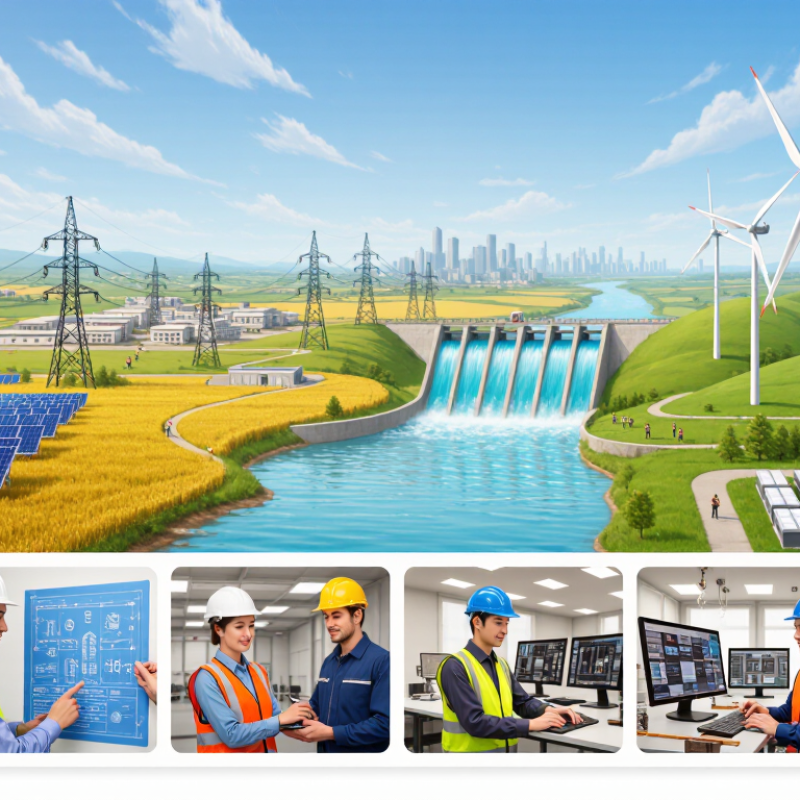
What Are Energy Projects and How Do They Work?

What Energy Projects Are and Why They Matter

Energy projects are organized efforts that produce, store, or deliver energy. They may include solar fields, wind farms, battery systems, hydropower stations, or upgraded power networks. Their importance reaches beyond electricity generation. These projects support hospitals, schools, businesses, and homes that depend on stable power every day.

A successful project begins with a local assessment. Engineers study sunlight, wind patterns, soil conditions, water access, and connection points. They also examine costs, safety risks, wildlife, and community concerns. During construction, workers install equipment, test controls, and inspect each system carefully. Once operating, the project needs regular maintenance and accurate performance monitoring. A small fault can reduce output for weeks if nobody notices it. Energy projects can lower emissions and improve energy access, but their benefits are never automatic. Poor planning may create noise, land-use disputes, or unexpected repair costs. Some early forecasts are simply too optimistic.

Tips: Compare expected output with measured results, not promises. Ask who maintains the equipment after construction. Check the project’s safety records, environmental reviews, and emergency procedures. Clear public reporting builds trust, although no report captures every local concern. Residents should have practical ways to raise questions and receive timely answers. This process can feel slow. It is often necessary.
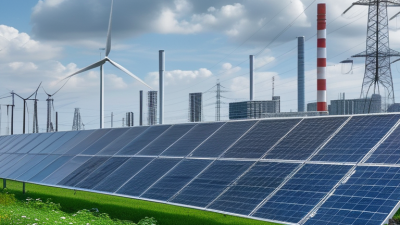
Key Components and Stakeholders in Energy Projects

Energy projects convert natural resources, infrastructure, and capital into usable power. Their core components usually include generation equipment, grid connections, land, permits, financing, and operating systems. Solar panels, wind turbines, batteries, pipelines, or turbines perform different technical roles. However, each project also needs careful design for safety, reliability, maintenance, and changing weather.

Stakeholders shape the project from different positions. Developers coordinate feasibility studies, permits, contracts, and construction. Engineers define capacity, equipment standards, and energy yields. Regulators review environmental, safety, and market requirements. Lenders examine cash flow, construction risk, and repayment security. Communities may provide local knowledge about land, traffic, water, and employment. Electricity buyers then support revenue through long-term purchasing agreements. These relationships can become difficult. A technically strong project may still fail when consultation starts too late.

Industry data shows the scale of this coordination. The International Energy Agency reported nearly 3 trillion dollars in global energy investment for 2024, with about 2 trillion directed toward clean energy. The International Renewable Energy Agency recorded 585 gigawatts of renewable capacity added in 2024. Those figures suggest rapid growth, but they do not guarantee smooth delivery. Grid queues, skilled-worker shortages, and delayed permits remain practical obstacles. A spreadsheet cannot capture every local concern. That assumption needs testing. Project teams should document decisions, disclose uncertainty, and regularly compare forecasts with actual production, costs, and community feedback.

What Are Energy Projects and How Do They Work?

Renewable energy projects move through planning, financing, permitting, construction, grid connection, and operation. The chart shows renewable power capacity added worldwide in 2023, highlighting the scale of different project types.

Key stakeholders include governments and regulators, project developers, investors and lenders, equipment suppliers, construction contractors, grid operators, local communities, and electricity customers. Together, they manage technical delivery, environmental requirements, funding, risk, and long-term performance.

Data source: International Renewable Energy Agency, Renewable Capacity Statistics 2024. Values represent approximate global additions in 2023.

How Energy Projects Are Planned and Developed

Energy projects are planned systems that convert resources into usable power. They may include solar farms, wind facilities, storage plants, or grid upgrades. Development begins with a practical question: where can the project operate safely, affordably, and reliably?

Strong planning combines resource studies, land surveys, grid assessments, environmental reviews, and community consultation. A wind proposal, for example, needs months of wind measurements, turbine spacing analysis, road access, and wildlife monitoring. The International Energy Agency reported that global energy investment reached about $3 trillion in 2024. Clean energy received roughly two-thirds of that spending. This shift increases competition for suitable land, equipment, and grid capacity.

Permitting and financing then shape the construction schedule. Developers test revenue assumptions, connection costs, supply risks, and extreme-weather exposure. The International Renewable Energy Agency recorded 473 gigawatts of renewable capacity additions in 2023, representing about 86% of new global power capacity. Impressive growth, but not every approved project will be built. Grid queues can remain crowded for years. A spreadsheet may look precise. Real projects are less tidy. Delayed permits, underestimated drainage work, or local opposition can change the design and budget. Good development therefore treats uncertainty as a planning input, not an unpleasant surprise.

What Are Energy Projects and How Do They Work? - How Energy Projects Are Planned and Developed

Development Stage Main Objective Typical Activities Typical Duration Key Deliverables Common Decision Gate
1. Opportunity Identification Define a potential need for new energy supply, storage, or network capacity. Assess energy demand, resource availability, grid conditions, policy objectives, and possible sites. Several weeks to several months Initial concept, site shortlist, preliminary energy estimate, and high-level constraints. Is the concept technically and commercially worth investigating?
2. Pre-Feasibility Study Test whether the proposed project could be viable. Compare technology options, estimate capacity, review land and infrastructure, and identify permitting requirements. 1 to 6 months Pre-feasibility report, preliminary layout, resource assessment, and initial cost range. Does the preferred option justify detailed studies?
3. Site and Resource Assessment Confirm that the site can support reliable and safe energy production or storage. Collect solar, wind, hydrological, fuel, geological, or demand data; conduct surveys and seasonal measurements. 6 months to 3 years, depending on technology and data needs Validated resource dataset, geotechnical information, environmental baseline, and site constraints map. Are the resource and physical conditions adequate for the design case?
4. Technical and Financial Feasibility Determine expected performance, costs, revenues, and risks. Develop energy-yield models, preliminary engineering, capital and operating cost estimates, financial models, and sensitivity tests. 3 to 12 months Feasibility study, estimated levelized cost of energy, cash-flow model, risk register, and implementation plan. Can the project meet technical, financial, and policy requirements?
5. Permitting and Stakeholder Engagement Obtain legal approvals and address effects on communities and the environment. Prepare environmental and social assessments, consult affected parties, secure land rights, and apply for permits. 1 to 5 years, depending on scale and jurisdiction Approved permits, environmental management plan, consultation record, and land agreements. Are the required approvals and social conditions in place?
6. Grid Connection and Commercial Structuring Establish how the project will connect to the system and earn or save money. Complete grid-impact studies, negotiate connection terms, assess market access, and arrange power purchase or capacity agreements where applicable. 6 months to 3 years Grid offer, connection agreement, revenue structure, insurance strategy, and contractual framework. Can the project connect reliably and secure acceptable revenue terms?
7. Detailed Design and Financing Prepare the project for construction and secure funding. Complete engineering design, select contractors, obtain equipment quotations, finalize the budget, and perform lender due diligence. 6 to 18 months Issued-for-construction design, procurement plan, construction contracts, financial close, and insurance coverage. Is the project ready for a final investment decision?
8. Construction and Commissioning Build, test, and safely connect the energy facility. Prepare the site, install equipment, construct electrical systems, conduct inspections, and complete performance tests. 6 months to 5 years, depending on project type and scale Completed facility, test certificates, operating procedures, as-built drawings, and grid authorization. Does the facility meet safety, reliability, and performance requirements?
9. Operations, Maintenance, and Decommissioning Operate the project safely, maintain performance, and manage its end of life. Monitor output, inspect assets, perform preventive maintenance, manage outages, report compliance, and restore or repurpose the site. Operating life commonly ranges from 15 to 60 years, depending on technology Operational data, maintenance records, compliance reports, refurbishment plans, and decommissioning activities. Is the asset delivering safe, reliable, and economically sustainable service?
Note: Project durations vary significantly by technology, location, project scale, environmental sensitivity, grid availability, permitting rules, and financing conditions. Energy projects may include generation, transmission, distribution, energy efficiency, demand response, or energy storage.

How Energy Is Produced, Stored, and Delivered

Energy projects turn natural resources into usable electricity or heat. Solar fields convert sunlight into electrical current through panels and inverters. Wind turbines use moving air to spin generators. Hydropower facilities capture flowing water through turbines. Other projects use controlled fuel combustion to produce heat and electricity.

Engineers measure output, weather, equipment limits, and environmental effects. The numbers look neat. Real conditions are not. Clouds pass, temperatures shift, and maintenance can interrupt production. Field operators often discover that simple diagrams hide these practical problems. Energy production must match demand, but demand changes throughout the day.

Storage changes the timing of energy use. Battery systems store electricity during high production and release it later. Pumped-storage facilities move water uphill, then send it through turbines when power is needed. No storage system is perfectly efficient. Some energy becomes heat.

Delivery begins at the project site. Transformers adjust voltage for safer, more efficient transmission. High-voltage lines carry electricity across long distances. Local networks then reduce voltage before homes, farms, and factories receive it. Control systems balance supply and demand within seconds. A damaged line can still disrupt service, even when generation remains strong. Grid access matters. Permits, land studies, safety checks, and ongoing inspections also shape project performance. A technically sound design may still face delays, cost changes, or unexpected operating limits.

How Energy Projects Are Managed and Evaluated

Energy projects are managed through disciplined planning, measurable milestones, and continuous risk review. Teams define capacity, construction schedules, budgets, safety controls, and expected output before funding begins. The International Energy Agency reported that global energy investment could reach 3 trillion dollars in 2024, with about 2 trillion directed toward clean energy. That scale demands clear governance. A project manager must compare contractor progress with verified field data, not optimistic reports. Delays often begin with small design changes.

Evaluation continues after construction. Financial models test capital costs, operating expenses, energy prices, financing conditions, and maintenance needs. Technical reviews measure availability, efficiency, output, and grid performance. Environmental assessments examine lifecycle emissions, land use, water demand, and local impacts. IRENA’s Renewable Power Generation Costs in 2023 reported that 81% of newly commissioned utility-scale renewable projects had lower electricity costs than fossil-fuel alternatives. Still, a low cost does not guarantee success. A spreadsheet may look exact while hiding weak assumptions. Weather, permitting, supply disruptions, and community concerns can change the result.

Tips: Use independent data checks at every major stage. Set a baseline budget and update it monthly. Record why assumptions changed. Test best-case, expected, and stress-case outcomes. The IPCC’s lifecycle approach is useful for comparing emissions beyond the construction site. Leave room for uncertainty. Real projects rarely follow the original plan perfectly.