What Is Renewable Energy and How Can Buyers Use It?
Renewable energy comes from sources that naturally replenish, such as sunlight, wind, moving water, and geothermal heat. Unlike coal and oil, these resources can support long-term energy production with fewer direct greenhouse gas emissions. Yet “clean” does not mean impact-free. Solar panels require materials, wind turbines need land, and hydropower can affect rivers and habitats.
For buyers, the practical question is not simply whether renewable energy exists. It is how the electricity reaches their home, business, or vehicle. A household might install rooftop solar, sign a green electricity contract, or purchase renewable energy certificates. Each option has different costs, maintenance needs, contract terms, and environmental claims. Reviewing an installer’s licenses, warranties, performance estimates, and customer records can prevent expensive surprises. Utility bills and certificate documents should also explain what the buyer is actually purchasing.
Details matter.
A credible provider should identify the energy source, project location, contract length, and cancellation conditions. Buyers should compare expected production with local sunlight or wind data, rather than trusting dramatic savings promises. Independent certification can strengthen a claim, but it does not answer every question. Some marketing language remains vague, and even careful consumers may misunderstand how certificates relate to physical electricity. That uncertainty deserves attention.
This guide explains renewable energy in practical terms. It connects technical evidence with everyday decisions, from comparing tariffs to assessing a solar proposal. Readers will learn what to ask, what to verify, and where common assumptions may fail. A thoughtful purchase may reduce emissions, control energy costs, and encourage better projects, but only when the evidence supports the promise.
Renewable Energy Explained: Solar, Wind, Hydro, Biomass, and Geothermal
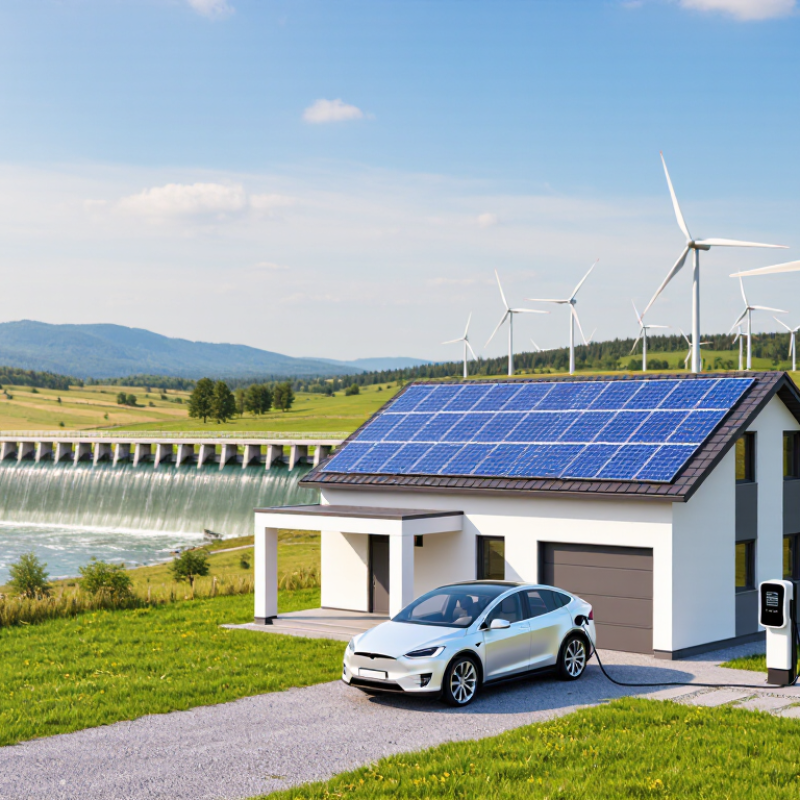
Renewable energy comes from sources that naturally replenish, but each source behaves differently. Solar panels produce electricity from sunlight, with output changing by hour and season. Wind turbines need suitable wind conditions and reliable grid connections. Hydropower uses flowing water and can provide steady generation, although droughts and ecosystem impacts deserve careful review. Biomass converts organic materials into heat or electricity. Its climate value depends on feedstock origin, transport, and land use. Geothermal energy draws heat from underground and often offers stable output, but suitable sites are limited.
The distinction matters. The International Renewable Energy Agency reported 473 gigawatts of renewable capacity additions in 2023, representing 86% of global power capacity growth. The International Energy Agency expects renewable capacity to expand sharply through 2028, led by solar and wind. These figures show scale, not automatic suitability. Buyers should examine hourly production, project location, grid access, operating life, and environmental documentation. A low-cost solar contract may still need storage or backup power. Wind power may fit a windy site but disappoint a buyer needing constant output. Hydropower can offer flexibility, while geothermal may support continuous demand.
Procurement choices include on-site systems, utility contracts, and power purchase agreements. Buyers should request verified generation data, certificate tracking, and clear treatment of emissions claims. Biomass requires especially careful supply-chain evidence. No option is perfect. That is the uncomfortable part. A practical decision compares price, reliability, land effects, and local conditions rather than chasing the newest technology.
Global Renewable Capacity Reached 4,448 GW in 2024, According to IRENA
Global renewable capacity reached 4,448 GW in 2024, according to the International Renewable Energy Agency (IRENA). This figure shows how quickly solar, wind, hydropower, and other renewable technologies are expanding worldwide. It also reflects years of investment, improved equipment, and stronger grid planning. Yet capacity is not the same as electricity delivered every hour. A solar plant cannot produce power after sunset.
Buyers can use renewable energy in several practical ways. A household might install rooftop solar and monitor its meter each month. A factory could sign a long-term renewable electricity agreement or purchase verified energy certificates. An office may choose a renewable electricity tariff from its local utility. The right option depends on roof space, operating hours, location, budget, and local regulations. Start with real consumption data, not rough estimates.
Claims require careful checking. Ask where the electricity was generated, when it was produced, and whether certificates are independently verified. A renewable purchase may support cleaner generation, but it may not place renewable electrons directly into a buyer’s building. That distinction is easy to miss. It deserves honest review. Buyers should also examine maintenance costs, backup power, contract terms, and grid reliability before making commitments. Numbers can look impressive. The practical result may still be smaller than expected.
How Buyers Can Compare Renewable Energy Costs, Carbon, and Reliability
Renewable energy comes from sources that naturally replenish, including sunlight, wind, water, and geothermal heat. For buyers, the real question is not simply whether power is renewable. It is whether the supply is affordable, low-carbon, and available when operations need it.
Cost comparisons should use the same boundary. IRENA reported average 2023 generation costs of about $44 per megawatt-hour for utility-scale solar and $33 for onshore wind. These figures exclude some transmission, storage, balancing, and contract costs. A low quoted price can therefore disappoint. Buyers should examine fixed charges, escalation clauses, delivery points, and certificate prices. Ask for the hourly supply profile, not only the annual renewable percentage. That detail matters for factories, hospitals, and data facilities.
Carbon results also differ by technology and project design. The IPCC estimates median lifecycle emissions near 48 grams of carbon dioxide equivalent per kilowatt-hour for solar and 11 grams for wind. Coal is far higher, at about 820 grams. Reliability requires another lens. IEA data shows renewables supplied roughly 30% of global electricity in 2023, but output still varies by weather and location. Buyers may need storage, flexible demand, or firm backup. Contracts can reduce risk, yet they cannot erase physical limits. The comparison is imperfect. That is worth admitting. A practical review should test monthly bills, hourly production, grid congestion, backup arrangements, and the credibility of the project’s operating data.
Power Purchase Agreements and RECs: Two Ways Buyers Can Procure Clean Energy
What Is Renewable Energy and How Can Buyers Use It?
Renewable energy comes from naturally replenished sources, including sunlight, wind, water, and geothermal heat. The International Energy Agency reported that global renewable capacity grew by about 510 gigawatts in 2023. Buyers can support this growth through two common tools: Power Purchase Agreements and Renewable Energy Certificates.
A Power Purchase Agreement, or PPA, is a long-term contract for electricity from a specific renewable project. It may include a fixed price, delivery schedule, and certificates linked to generation. A PPA can support new capacity, but it also creates financial and operational risks. Production changes with weather. Prices may move differently from a buyer’s actual electricity bill. Contract review should cover volume, settlement terms, curtailment, and early termination.
RECs are simpler. One REC generally represents the environmental attributes of one megawatt-hour of renewable electricity. Buyers can purchase them to support renewable electricity claims, even when physical power comes from a shared grid. The Greenhouse Gas Protocol’s Scope 2 Guidance stresses quality, credibility, and careful market-based accounting. Not every REC delivers the same impact. Geography, project age, generation technology, and additionality matter.
Tips
Start with interval electricity data, not estimates. Compare a PPA’s contracted volume with real demand. For REC purchases, check the certificate registry, vintage, location, and retirement status. Ask whether the project would have been built without the contract. The answer may be uncertain. That uncertainty deserves documentation, not optimistic wording.
Solar and Wind Led 96.6% of New Renewable Capacity Added in 2024
Renewable energy comes from sources that naturally replenish, including sunlight and wind. In 2024, solar and wind supplied 96.6% of newly added renewable capacity worldwide. The International Renewable Energy Agency reported 585 gigawatts of new renewable capacity that year. Solar contributed about 452 gigawatts, while wind added roughly 113 gigawatts. The shift is substantial. It also changes how buyers should evaluate electricity.
Households can install rooftop solar, use community solar, or select renewable electricity plans. Businesses may sign long-term power purchase agreements or buy verified renewable energy certificates. These options differ in cost, contract length, and environmental value. The International Energy Agency notes that electricity demand is rising through cooling, transport, and data services. Buyers should therefore examine both price and supply reliability. A low-cost contract may still depend on fossil-fuel-heavy grid hours.
Verification requires careful questions. Does the project create new capacity? Can certificates be traced to a specific facility? Do delivery periods match actual consumption? The Greenhouse Gas Protocol recommends transparent accounting for purchased electricity, while IRENA data confirms solar and wind now dominate new capacity growth. Yet capacity is not the same as constant generation. Solar panels stop producing after sunset. Wind output also changes hourly. The gap matters. A sensible buyer may combine renewable contracts with storage, efficiency upgrades, and flexible demand. I would not treat a “100% renewable” claim as complete evidence. Location, timing, grid conditions, and certificate quality deserve closer inspection.
What Is Renewable Energy and How Can Buyers Use It?
Solar and Wind Led 96.6% of New Renewable Capacity Added in 2024
Global renewable power capacity increased by approximately 585 GW in 2024. Solar power contributed about 452 GW and wind power about 113 GW, together accounting for 96.6% of new renewable capacity. Buyers can use renewable electricity through on-site generation, renewable power contracts, or certified renewable electricity purchases.
Source: International Renewable Energy Agency, Renewable Capacity Statistics 2025. Figures are rounded.