What Is Renewable Energy for Home Use?
Renewable energy for home use is moving from an idealistic concept to a practical household decision. Rooftop solar panels, heat pumps, home batteries, and small wind systems can reduce purchased electricity. They can also make a home more resilient during short grid interruptions. However, results depend on climate, roof direction, local tariffs, equipment quality, and daily energy habits.
The International Energy Agency reported that global renewable capacity additions reached almost 510 gigawatts in 2023. Solar photovoltaic systems represented about three-quarters of that growth. IRENA’s Renewable Capacity Statistics 2024 also recorded renewable power capacity exceeding 3,870 gigawatts worldwide. These figures show strong industry momentum, but they do not guarantee equal savings for every household. A shaded roof may produce disappointing output. A battery may remain expensive without suitable electricity rates.
Amory Lovins, cofounder of Rocky Mountain Institute, is often quoted saying, “The best energy is the energy you don’t use.” That principle matters inside a real home. Sealing a drafty window, improving insulation, and choosing efficient appliances can reduce the system size required. A homeowner might watch solar production fall on a cloudy afternoon, then adjust appliance use or draw stored power. Small details matter.
This guide examines renewable energy for home applications through costs, performance, maintenance, safety, and long-term value. It also considers less comfortable questions. What happens when batteries age? How clean is the local grid? Are predicted payback periods too optimistic? Reliable decisions require measured electricity data, qualified installers, and realistic expectations—not attractive promises alone.
Understanding Renewable Energy for Home Use
What Is Renewable Energy for Home Use?
Understanding Renewable Energy for Home Use
Renewable energy for home use means producing or using energy from sources that naturally replenish. Solar panels convert sunlight into electricity, while solar thermal systems heat water. In suitable locations, small wind turbines can also support household power needs. Heat pumps are different: they are efficient electric appliances, not renewable sources themselves. Their climate benefit depends on the electricity supplying them.
The global trend is significant. The International Renewable Energy Agency reported 473 gigawatts of renewable capacity added in 2023. Renewables represented 86% of new power capacity that year. These figures describe the wider energy system, not individual homes. Still, they show why household energy choices increasingly connect with national grid planning.
A practical home system usually combines generation, efficiency, and careful monitoring. A rooftop array may produce strong output at midday, when the family is away. A battery can shift some electricity into the evening, but it adds cost, weight, and eventual disposal concerns. Grid connection remains useful during cloudy periods. It can also expose households to changing electricity prices.
Experience matters more than attractive estimates. Roof direction, shading, local weather, insulation, and winter demand can change results sharply. The IEA notes that renewable deployment must expand alongside stronger grids and flexibility. Homeowners should therefore examine hourly consumption, not only annual energy totals. I would not treat a large panel system as automatically sustainable; reducing waste may be the quieter, better first step.
How Home Renewable Energy Systems Generate Power
Home renewable energy usually means producing electricity near where it is consumed. Solar photovoltaic panels are the most common option. They convert sunlight into direct current electricity. An inverter then changes it into alternating current for household appliances. According to the International Energy Agency’s Renewables 2024 report, global solar photovoltaic additions reached about 420 gigawatts in 2023. Solar accounted for nearly three-quarters of all renewable capacity additions. That growth is significant. It does not guarantee equal output at every home.
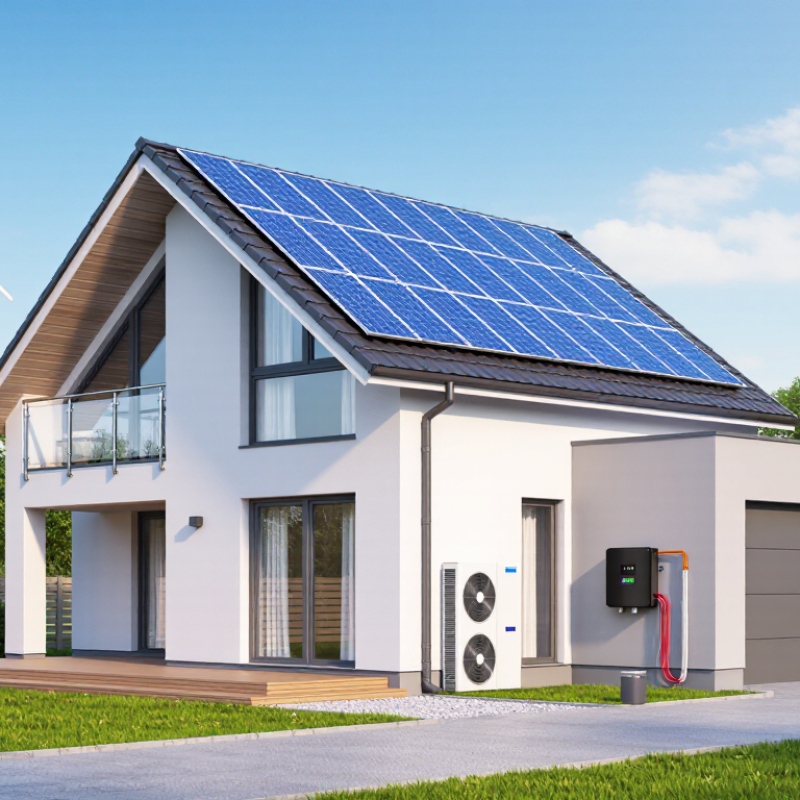
Power generation begins on the roof. Sunlight strikes semiconductor cells and releases electrons. Wiring combines their flow into usable direct current. The inverter manages voltage and supplies household circuits. Extra electricity can charge a battery or move through a bidirectional meter to the grid. At night, stored power can run lights, refrigerators, and selected outlets. During a blackout, however, ordinary grid-connected systems may shut down for safety. Backup operation requires suitable control equipment and approved installation.
A five-kilowatt system will not produce five kilowatts continuously. Clouds, roof direction, temperature, dust, and afternoon shading change the result. The National Renewable Energy Laboratory’s PVWatts model shows that annual output varies widely by location, often around 1,000 to 1,600 kilowatt-hours per installed kilowatt in many U.S. regions. A simple panel-count estimate is misleading. Real planning needs hourly demand data, not optimism. Even small design errors can reduce winter performance. That is worth checking carefully.
Benefits and Limitations of Renewable Energy at Home
What Is Renewable Energy for Home Use?
Renewable energy can power homes through rooftop solar, small wind systems, heat pumps, and renewable electricity tariffs. Its main benefit is reducing exposure to changing utility prices. The IPCC reports median lifecycle emissions of about 48 grams of CO2-equivalent per kilowatt-hour for solar power, compared with roughly 820 grams for coal. Cleaner energy matters.
However, home systems are not automatically cheaper or simple. Solar output falls during cloudy weather and disappears at night. Batteries add cost, weight, maintenance, and material concerns. The International Energy Agency reported that global renewable capacity increased by 507 gigawatts in 2023, yet household access still depends on local grids, housing design, and public policy. A south-facing roof may perform well, but shading from one nearby tree can change the calculation. I have seen homeowners focus on panel size while ignoring insulation and daily electricity habits. That is an expensive blind spot. Payback estimates can also be wrong when interest rates, repairs, or export payments change.
Tips: Check twelve months of electricity bills before choosing equipment. Request an on-site shade assessment. Improve insulation first, where practical. Compare battery costs with your evening demand, not with optimistic sales projections. The National Renewable Energy Laboratory notes that solar modules gradually lose output over time, often around 0.5% annually. Plan for that decline. Keep a small grid connection if reliability matters, because renewable systems can still need backup during long storms.
Choosing and Installing a Suitable Home Energy System
Choosing a home renewable system starts with measured demand, not a sales estimate. Review twelve months of electricity bills and note heavy-use periods. A family using power after sunset may need storage, not only rooftop generation. Check roof direction, shading, structural condition, and available electrical capacity. A small shaded roof can make an oversized array wasteful. Local weather matters too. Wind, snow, heat, and salt air affect equipment selection and maintenance.
Compare system options against household habits. Solar panels suit sunny roofs, while a small wind system needs consistent site wind and careful setback planning. Heat pumps can reduce heating emissions, but they require suitable insulation and correctly sized controls. Batteries improve evening use and backup resilience, yet add cost, weight, and eventual replacement needs. The cheapest quotation is not automatically the safest choice. Ask for production assumptions, efficiency losses, warranty terms, and a written maintenance plan. Require calculations, not promises.
Installation should follow local permits, grid rules, and electrical safety codes. Use a licensed professional to inspect the roof, install protection devices, label shutoffs, and test the system before handover. Keep clear access around inverters and batteries. Never place equipment where flooding or extreme heat is likely. During commissioning, request performance readings and emergency instructions. A simple monitoring check each month can reveal falling output or unusual battery behavior. One detail is easy to miss: household demand may grow after installation. Leave sensible capacity for an electric vehicle, renovation, or new appliance, but avoid paying for unused capacity today. Good planning is partly technical and partly honest about uncertainty. Even careful forecasts can miss a cloudy season.