What Are the Main Types of Renewable Energy Sources?
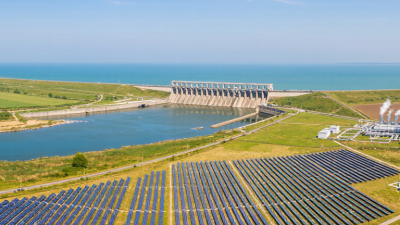
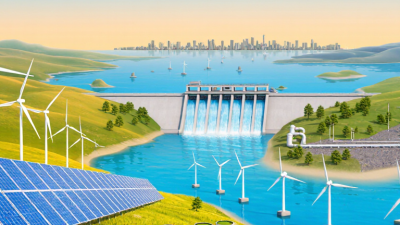
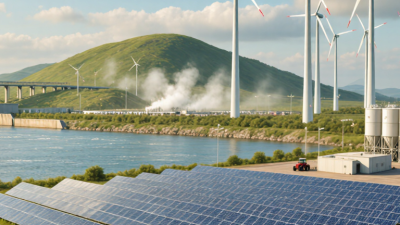
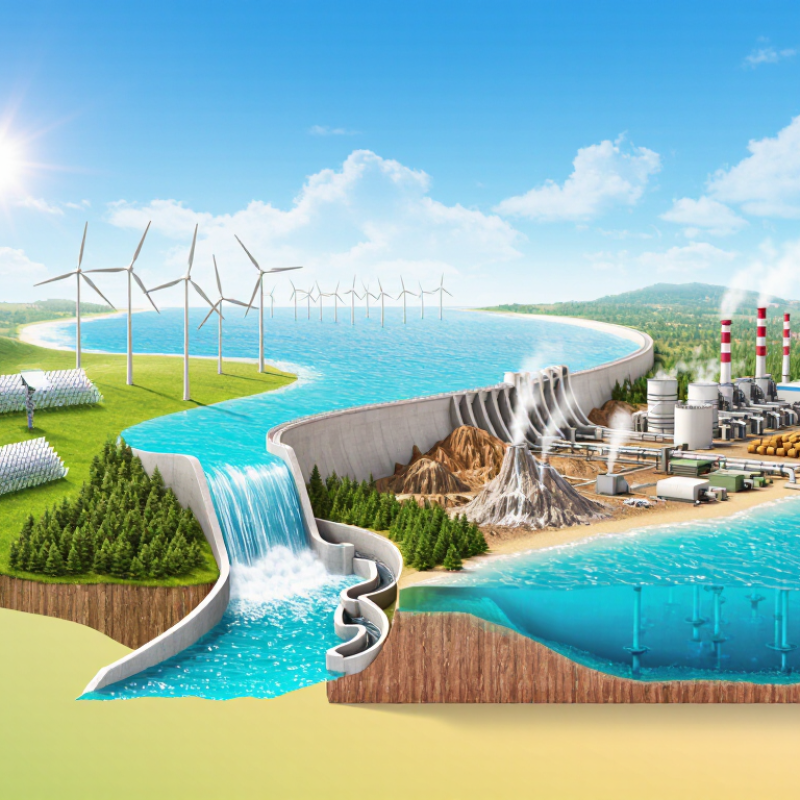
Renewable energy sources come from natural processes that replenish over time, such as sunlight, wind, flowing water, and heat beneath Earth’s surface. They offer alternatives to fossil fuels, but each source works differently. This guide introduces the main types and explains where their energy comes from. Solar panels turn sunlight into electricity, while solar thermal systems use the sun’s heat. Wind turbines capture moving air, often across open plains or offshore. Hydropower uses flowing or stored water to drive turbines. Geothermal systems draw on underground heat, though suitable locations are limited. Biomass uses organic material, including wood and agricultural waste, for heat or power. Ocean energy can harness tides and waves, but many technologies are still developing.
The word “renewable” does not mean “impact-free.” A dam can change river habitats; a wind project needs careful siting; and biomass benefits depend on how feedstocks are grown and used. Not a simple trade-off. Weather and location also affect output: solar panels produce less on cloudy days, and wind turbines need adequate wind. Storage, transmission, and other power sources can help balance supply, but they add cost and planning needs. Comparing these options means looking beyond the equipment to land use, local ecosystems, reliability, and the needs of nearby communities. No single source fits everywhere. The sections ahead explain how each technology works, what it can provide, and where its limits deserve a closer look. Renewable energy is an important part of a lower-emission energy system, though the details matter—and some choices remain open to debate.
Solar Energy: Capturing the Sun’s Light and Heat
Solar energy captures sunlight in two distinct ways. Photovoltaic panels convert light into electricity, while solar-thermal systems collect heat for water, buildings, or power generation. On a clear day, rooftop panels may look simple; behind them, inverters and wiring manage the electricity they produce. The difference matters.
The scale is growing quickly. IRENA’s Renewable Capacity Statistics 2024 reports that solar power added
346 gigawatts of capacity worldwide in 2023.
The IEA’s Renewables 2023 forecast projects solar photovoltaic systems will account for about 80% of global renewable capacity growth through 2028.
These figures describe installed capacity, not guaranteed output. Clouds, shading, panel direction, and seasonal daylight all affect how much electricity a system actually delivers.
Heat deserves attention, too. Solar-thermal collectors can warm water directly, reducing the need for other heating sources. Larger concentrating systems use mirrors to focus sunlight and produce high-temperature heat.
Yet the best choice depends on local conditions, roof space, and when energy is needed. An estimate can look precise on paper and still miss a tree’s afternoon shadow. That detail is easy to overlook.
Wind Energy: Converting Airflow into Electricity
Wind turbines turn moving air into electricity through a sequence of mechanical steps. As wind passes over the blades, their shape creates lift and spins the rotor. A shaft carries that rotation to a generator, either through a gearbox or a direct-drive system. Power electronics then adjust the electricity before it reaches the grid.
The details matter. A turbine’s controller can turn its blades toward the wind and change their angle to manage speed. In very strong winds, it may shut the turbine down for safety. Output also changes with wind speed; a gust does not guarantee a steady supply. The wind still varies. Grid operators balance that fluctuation with other sources, storage, or demand adjustments.
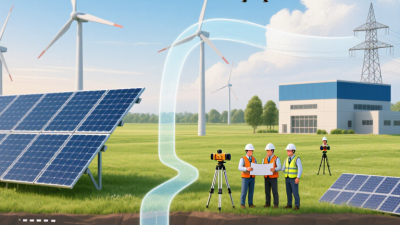
Picture a turbine on a cold, open ridge: its blades sweep above the grass while wind brushes past the tower. That scene looks simple, but choosing a site takes careful measurement. Wind records, terrain, access for repairs, and nearby homes all affect a project’s performance. Estimates are never perfect, and early forecasts can miss local patterns. Wildlife impacts and noise deserve attention too, especially near sensitive habitats or residences. A useful assessment relies on long-term local data, not just a windy afternoon.
Wind Energy: Converting Airflow into Electricity
Global installed wind power capacity, selected years (gigawatts)
Wind turbines use moving air to rotate blades, driving a generator that produces electricity. Installed capacity is the maximum rated power of wind farms, not the amount of electricity generated.
Source: Global Wind Energy Council (GWEC), Global Wind Report 2024. Values rounded.
Hydropower and Marine Energy: Using Moving Water
Moving water is renewable, but its energy arrives in different forms. Rivers drive turbines in hydropower plants, while tides, waves, and ocean currents offer marine energy options. Hydropower is already established at a vast scale: the International Hydropower Association reported 4,185 terawatt-hours of global generation in 2023. It can also respond quickly to changes in electricity demand. Reservoirs may store water for later, though not every hydropower project has storage.
The trade-offs matter. Dams can change river flows, trap sediment, and disrupt fish migration; drought can also reduce output. IRENA’s Renewable Capacity Statistics 2024 recorded about 1,412 gigawatts of hydropower capacity worldwide at the end of 2023, compared with 527 megawatts of ocean energy. That gap shows how early marine technologies remain. Tides are predictable. Wave and current devices, however, must withstand saltwater, storms, and costly maintenance. Picture a turbine below a tidal channel: the flow is dependable, but access for repairs may be difficult. The figures also invite a question: how much marine energy can be developed without harming coastal ecosystems? Progress is real, but the evidence base is still smaller than hydropower’s.
Geothermal Energy: Drawing on Heat Beneath Earth’s Surface
Geothermal energy turns underground heat into electricity or direct heat for buildings, greenhouses, and industry. Unlike solar panels, a geothermal plant can generate power after sunset and through calm weather. That steady output is useful. Yet hot, accessible rock is unevenly distributed, so projects depend heavily on local geology.
IRENA reported about 15 gigawatts of installed geothermal power capacity worldwide at the end of 2023 (Renewable Capacity Statistics 2024). The IEA’s 2024 report, The Future of Geothermal Energy, estimates that advanced geothermal could supply up to 15% of global electricity-demand growth through 2050. That is a scenario, not a promise. Enhanced geothermal systems drill into hot rock and circulate fluid, potentially opening suitable sites beyond conventional volcanic regions. Deep drilling costs money.
At a well site, steel casing, pumps, and monitoring equipment must withstand heat and pressure. Engineers also monitor for small, induced earthquakes. Water needs and local geology can sharply change project economics. I would be careful about calling geothermal impact-free: exploration disturbs land, and poor reservoir management can reduce output. The heat is constant; project performance is not. Good resource mapping, transparent monitoring, and long-term testing matter as much as the turbine.
Bioenergy: Producing Fuel and Power from Organic Matter
Bioenergy turns organic matter into usable heat, electricity, or fuel. Feedstocks include crop leftovers, food scraps, manure, and wood residues. A farm can send manure into a sealed digester, where microbes produce methane-rich biogas. That gas can run a generator or heat nearby buildings. Small details matter. Keeping the digester warm and mixing its contents steadily can improve gas production, though results vary with feedstock and equipment.
Other pathways use dry biomass. It can be burned for heat or processed into liquid fuels. Some biofuels also come from sugars or oils, but each route requires energy and water. Bioenergy is renewable only when organic resources regrow or are replenished sustainably. It is not automatically carbon-neutral: harvesting trees faster than forests recover can release stored carbon and damage habitats. Using waste that would otherwise decompose may offer clearer benefits, yet transport and methane leaks still count. The numbers can be messy. A credible assessment tracks material sources, energy used in production, and effects on land and air quality.
What Are the Main Types of Renewable Energy Sources? - Bioenergy: Producing Fuel and Power from Organic Matter
| Bioenergy type |
Typical organic feedstocks |
How it is produced |
Main energy products and uses |
Important consideration |
| Solid biomass |
Wood, forestry residues, crop residues, and some organic waste |
Burned directly or converted into solid fuels such as pellets; heat can also drive a steam turbine to generate electricity. |
Heat, electricity, and combined heat and power |
Climate impacts depend on the feedstock, land-use effects, harvesting practices, and the emissions from processing and transport. |
| Biogas and biomethane |
Manure, food scraps, wastewater sludge, and other biodegradable materials |
Microorganisms break down organic matter without oxygen in a process called anaerobic digestion. Biogas can be cleaned to make biomethane. |
Biogas can provide heat and electricity; upgraded biomethane can be used as a gaseous fuel. |
Capturing methane from waste can reduce its release to the atmosphere. Digestate may be used as a soil amendment where it meets applicable standards. |
| Bioethanol |
Sugar- and starch-rich crops; some processes also use agricultural residues or other cellulose-rich materials. |
Sugars are fermented by microorganisms and the resulting ethanol is distilled. Starch is first converted into sugars; cellulosic feedstocks require additional processing. |
Liquid transport fuel, commonly blended with gasoline where permitted |
The overall environmental profile varies with crop production, land use, processing energy, and the type of feedstock. |
| Biodiesel |
Vegetable oils, used cooking oils, and animal fats |
Oils or fats are chemically converted, usually through transesterification, into fatty acid esters that can be used as fuel. |
Liquid fuel for compatible diesel engines, often blended with petroleum diesel |
Waste oils and fats can make use of existing waste streams; crop-based feedstocks require attention to land use and agricultural impacts. |
| Renewable diesel and other advanced biofuels |
Waste oils, fats, and selected biomass-derived materials |
Processes such as hydrotreating convert feedstocks into hydrocarbon fuels; other advanced pathways can produce fuels from biomass using biochemical or thermochemical methods. |
Liquid fuels for transport, including applications that are difficult to electrify |
Fuel properties and emissions benefits depend on the production pathway, feedstock, and full supply chain. |
Bioenergy is renewable when its organic resources are replenished sustainably. Its climate and environmental benefits are not automatic: they depend on how the feedstock is sourced, processed, and used.