What Are the Types of Renewable Energy Sources?
What Are the Types of Renewable Energy Sources?
Renewable energy sources draw on natural processes that replenish over time. Sunlight, wind, flowing water, underground heat, and organic materials can all provide usable energy. But “renewable” does not mean impact-free. Each source has different costs, land needs, and effects on local ecosystems.
“Renewables are the only path to real energy security, stable power prices and sustainable employment opportunities,” said António Guterres, Secretary-General of the United Nations. His statement captures their promise, though no single technology fits every place. Solar panels can turn bright rooftops into power stations. Wind turbines need suitable, reliable wind. Hydropower depends on rivers and careful management, while geothermal systems use heat beneath the ground. Biomass can produce heat or electricity, but its climate benefits depend on how the fuel is grown and used.
The mix matters. Storage, transmission lines, and demand patterns shape how much renewable electricity can reach homes and businesses. A sunny region may favor solar, while a windy coast may support wind power. Local conditions can change the answer. This overview explains the main types of renewable energy sources, how they work, and where their limits deserve attention. The categories sound clear; real projects are messier. That distinction is worth keeping in view.
How Renewable Energy Sources Are Classified
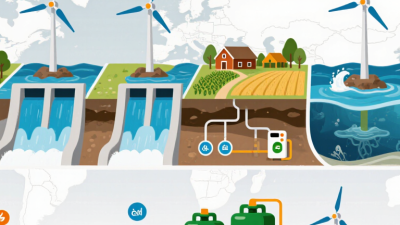
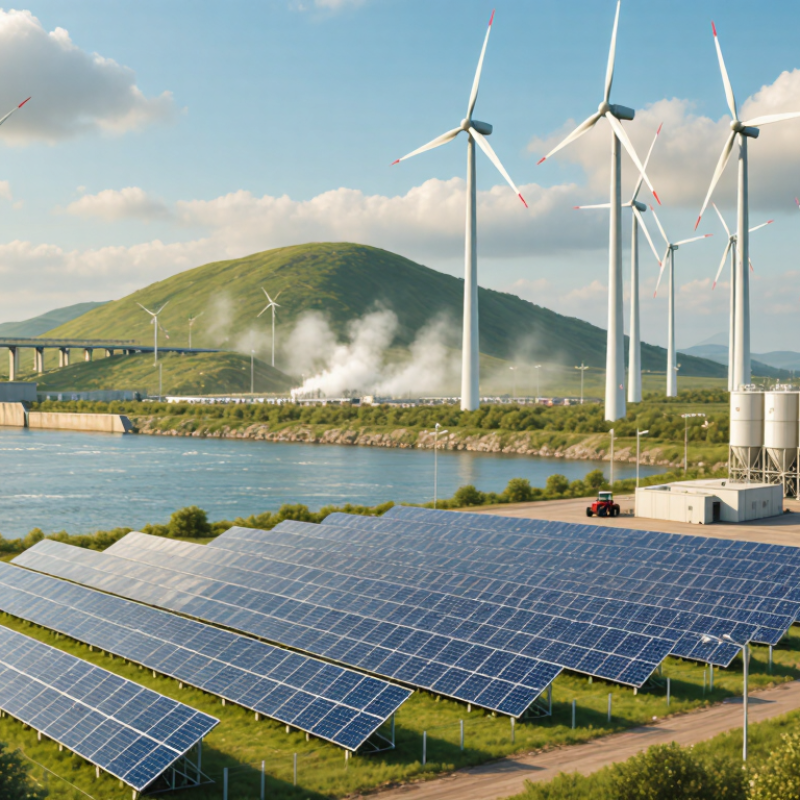
Renewable energy is often classified by the resource that replenishes it and the way it becomes usable power. Solar energy captures sunlight with photovoltaic panels or concentrates heat to drive a generator. Wind energy uses moving air to turn turbine blades. Both vary with weather and location, so a sunny roof and a windy ridge offer different output patterns.
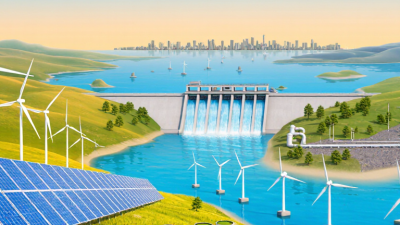
Water-based sources include hydropower, tidal energy, and wave energy. Hydropower draws on flowing or stored water, while tides follow predictable gravitational cycles. Geothermal energy uses heat beneath Earth’s surface, often through wells that bring hot water or steam upward. Biomass is grouped separately because it comes from organic material, such as wood waste or crop residues. Its climate impact depends on how that material is grown, harvested, and burned. The label “renewable” does not automatically mean impact-free.
Classifications can also describe the conversion process: direct electricity generation, heat production, or fuel production. A solar panel makes electricity; a geothermal system may provide building heat. Some sources fit several categories. The boundaries are not always tidy. For example, hydropower may be called renewable, yet dams can alter river habitats and seasonal flows. So comparisons need more than a source name; they should consider location, technology, and environmental effects.
Solar and Wind Energy
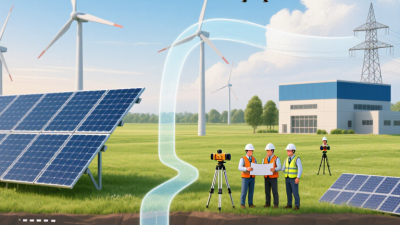
Solar and wind are the fastest-growing renewable electricity sources, but they work differently at the point of generation. Solar panels convert daylight into electricity; rooftop systems can serve a home, while large solar farms feed power into the grid. Wind turbines turn moving air into electricity, with output depending on wind speed and local conditions. On a calm evening, production may fall. That matters.
IRENA’s Renewable Capacity Statistics 2024 reports that global renewable power capacity increased by 473 gigawatts in 2023. Solar added about 346 gigawatts, while wind added roughly 117 gigawatts. These figures show solar’s rapid expansion, not that it can replace every other source on its own. Solar output drops after sunset, and wind can vary by hour. Batteries, stronger transmission networks, and a mix of energy sources can help balance supply, though each requires investment and planning. A panel’s real-world output also depends on shade, orientation, and maintenance. I have to admit, simple comparisons between solar and wind can miss these local details. The best choice depends on the site.
Hydropower and Ocean Energy
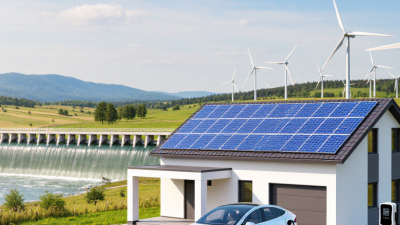
Hydropower turns moving or falling water into electricity. At a conventional plant, water passes through a turbine, which spins a generator. Some facilities store water behind a dam and release it when demand rises. Others use the steady flow of a river, with less storage. Small systems can serve remote communities, but their output still depends on local water conditions. A dry season can change the calculation quickly. Dams may also alter fish migration, river temperature, and sediment movement, so site choice matters as much as engineering.
Ocean energy draws on tides, waves, or differences in water temperature. Tidal turbines use predictable currents, while wave devices capture the rise and fall of the sea. These technologies are less widely deployed than established hydropower, partly because saltwater corrodes equipment and rough seas complicate maintenance. That is a real constraint, not a minor footnote. Ocean projects also need careful assessment of marine habitats and navigation. Their potential is promising, but not every coastline is suitable. I find it easy to overstate the promise: a strong resource on a map does not guarantee affordable, reliable power once cables, repairs, and ecological safeguards are included.
Geothermal Energy
Geothermal energy draws heat from beneath Earth’s surface to produce electricity or warm buildings. In a power plant, wells bring hot water or steam upward; the steam can turn a turbine. In colder regions, ground-source heat pumps move heat between buildings and shallow ground.
Quiet, steady heat.
Unlike wind and solar, geothermal power can operate regardless of weather, although output and costs depend heavily on local geology. The International Renewable Energy Agency reported about 15 gigawatts of installed geothermal electricity capacity worldwide at the end of 2023. That remains a small share of renewable power.
The International Energy Agency’s 2024 report, The Future of Geothermal Energy, estimates that enhanced geothermal systems could eventually provide up to 800 gigawatts globally, if technology improves and investment grows. That is a projection, not current capacity. Deep drilling can be expensive, and poorly managed projects may cause small, human-induced earthquakes. Water use and well maintenance also deserve attention. A hot spring may look effortless; tapping heat miles underground is not. The resource is promising, but each site needs careful assessment.
Biomass and Bioenergy
Biomass and bioenergy come from organic material, including crop residues, forestry by-products, food waste, and manure. This material can be burned for heat, converted into electricity, or processed into liquid and gaseous fuels. The International Renewable Energy Agency reported about 150 gigawatts of installed bioenergy power capacity worldwide at the end of 2023. Capacity is not the whole story, though: actual output depends on fuel supply, plant efficiency, and local conditions.
Some pathways use waste that would otherwise release methane as it decomposes. For example, a farm can capture gas from manure in a sealed digester and use it to produce heat or electricity. But “renewable” does not automatically mean low-carbon. The International Energy Agency notes that sustainable bioenergy depends on responsible sourcing and strong lifecycle emissions reductions. Burning wood can release carbon immediately, while regrowth may take decades to absorb it. That timing matters. Feedstock choice matters, too: using residues can reduce pressure on land, while dedicated energy crops may compete with food production or natural habitats. The evidence is not always simple, and carbon accounting can miss local impacts. A nearby waste stream may be a practical resource; transporting bulky biomass over long distances can weaken its climate benefit.