What Are the Top Renewable Energy Sources for Power in 2026?
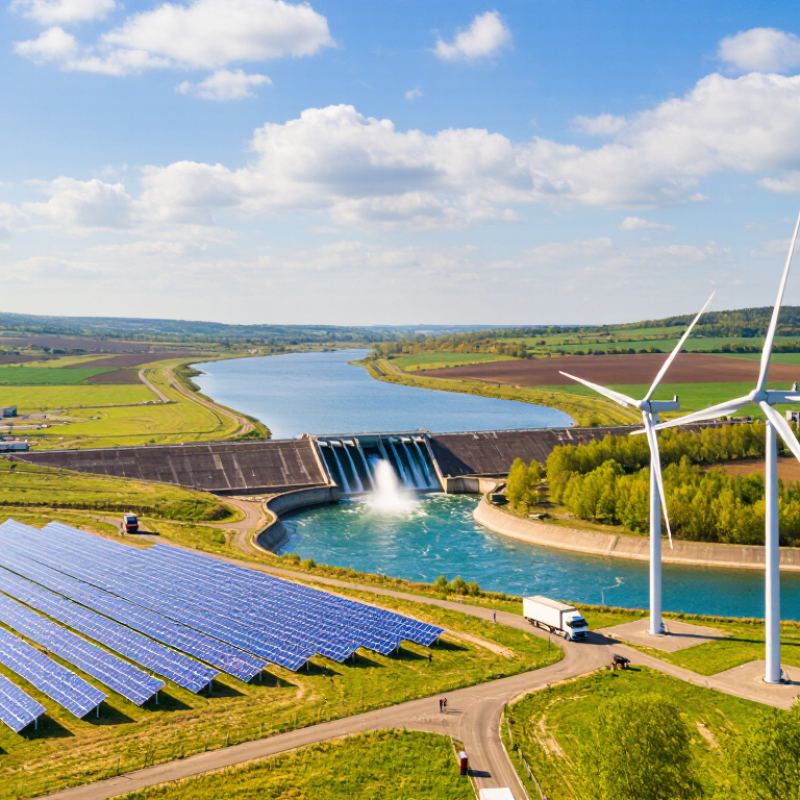
In 2026, the leading renewable power sources are likely to remain solar, wind, hydropower, geothermal energy, and bioenergy. But “top” depends on what a project needs: low-cost electricity, dependable output, or power available after sunset. A solar farm may produce strongly at midday, while a wind project depends on local weather and transmission access. Hydropower can respond quickly, though suitable rivers and reservoirs are limited. There is no universal winner.
Recent industry data shows why solar and wind lead many discussions. IRENA’s Renewable Capacity Statistics 2025 reports that global renewable power capacity reached 4,448 gigawatts by the end of 2024. The world added 585 gigawatts that year, representing 92.5% of total power-capacity additions. The IEA’s Renewables 2024 report projects nearly 5,500 gigawatts of new renewable capacity by 2030, with solar photovoltaics expected to drive most growth. These figures describe capacity, not electricity generated every hour. That distinction matters.
For readers assessing power renewable energy options, the practical details are tangible: rooftop panels catch afternoon sun, turbines need consistent wind, and geothermal plants draw on heat beneath the ground. Short-term forecasts can shift. Forecasts are not promises. Grid connections, storage, land, and local conditions can change a technology’s real value. Even promising comparisons deserve a second look. This guide examines the major sources, their strengths, and the trade-offs that headline rankings can miss.
Defining Renewable Energy Sources for Electricity Generation
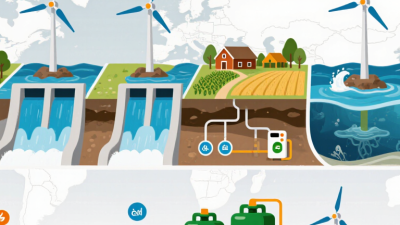
Renewable energy sources draw on natural flows or replenished materials to generate electricity. They are not depleted on a human timescale. Solar panels turn sunlight into electric current; wind turbines convert moving air into power. Hydropower uses flowing or stored water, while geothermal plants tap heat beneath the ground. Some generators use organic material, but it counts as renewable only when sourcing allows regrowth. The sun is variable. A renewable label alone says little about land use, water needs, or emissions across a system’s life.
Tips: Compare how power is generated, when it is available, and what land or water it needs. Check lifecycle details, including equipment materials and end-of-life handling. Small details matter.
A battery can shift solar or wind electricity to a later hour, but it is storage, not an energy source. That distinction can be easy to miss. Grid connections also shape whether clean power reaches homes when demand rises. Renewable does not mean impact-free, and assessments can differ with local conditions. A careful definition keeps the source, technology, and wider effects separate.
Criteria for Ranking Renewable Power Sources in 2026
A fair 2026 ranking should compare renewable power sources by more than installed capacity. Cost per unit of electricity matters, but so do construction time, operating costs, and performance across a full year. Solar panels may produce strongly at midday, while wind output depends on local weather and terrain. Hydropower can provide flexible generation, yet river flows and ecological impacts need careful assessment. Geothermal power offers steady output where suitable underground resources exist. Sustainable bioenergy also requires close scrutiny of feedstock supplies and emissions.
Reliability means asking when electricity is available, not simply how much a source can generate. A useful comparison considers seasonal output, storage needs, grid connections, and whether power can be adjusted to meet demand. Environmental measures should include land and water use, material sourcing, habitat effects, and emissions across equipment’s life cycle. Data quality matters too: estimates from different regions or methods are not always directly comparable. Rankings should show their assumptions and uncertainty. They may still miss local details.
Tips: Check whether figures describe capacity or actual annual generation. Compare projects in similar climates and include grid and storage costs. Treat a single global ranking cautiously; the best option can change between a sunny inland site and a windy coast. Be willing to revise the order as better evidence becomes available.
Solar and Wind: Leading Sources of New Renewable Power
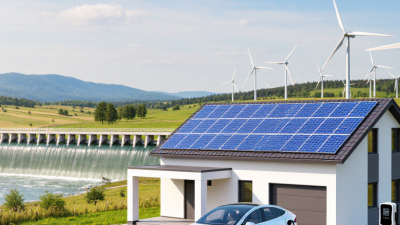
Solar and wind are set to lead new renewable power in 2026, though their strengths differ. Solar panels can be installed on rooftops, parking canopies, and large open sites. On a clear afternoon, they may produce strongly; a small patch of shade can still affect a rooftop system. Projects are often quick to build, but output falls after sunset.
Wind can generate power after dark, especially where steady winds reach turbines across open plains or offshore areas. Its output is less predictable at any single moment, and suitable sites need careful assessment. Solar and wind can complement each other across hours and seasons. That is not automatic. Local weather patterns matter.
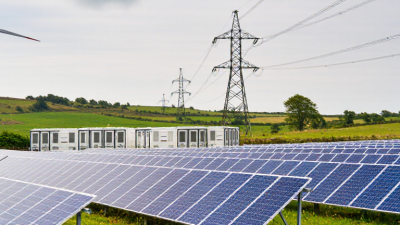
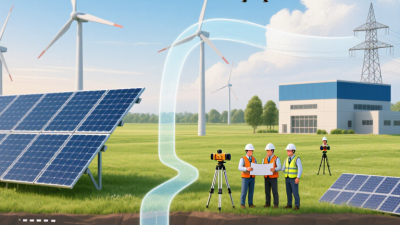
New capacity also needs transmission lines, grid upgrades, and, in some places, storage to balance changing output. A sunny region may lack enough lines to deliver electricity to distant users. A neat comparison can mislead: the cheapest project on paper may not be the most useful where power is needed. I would treat any broad ranking cautiously, since land, permitting, and connection delays can change a project’s real value.
What Are the Top Renewable Energy Sources for Power in 2026?
Solar and wind led global renewable power growth in 2023, the latest complete annual data shown here.
Solar added about 346 GW of capacity worldwide, while wind added about 116 GW. Together, they accounted for the vast majority of new renewable power capacity.
Capacity additions are measured in gigawatts (GW). Figures are rounded. Source: IRENA, Renewable Capacity Statistics 2024.
Hydropower, Geothermal, and Bioenergy in the 2026 Energy Mix
What Are the Top Renewable Energy Sources for Power in 2026?
Hydropower, Geothermal, and Bioenergy in the 2026 Energy Mix
In 2026, hydropower, geothermal power, and bioenergy can help balance electricity systems alongside wind and solar. Hydropower can respond quickly when demand rises, especially where reservoirs are available. But dry seasons may reduce output, and dams can alter river habitats and fish movement. A dependable supply still has trade-offs.
Geothermal plants draw heat from underground and can provide steady power day and night. Their usefulness depends on local geology, drilling costs, and careful management of underground reservoirs. Bioenergy can turn agricultural residues, wood waste, or organic material into electricity and heat. Its climate benefits depend on what is burned, how it is collected, and what would have happened to that material otherwise. Calling every bioenergy project carbon-neutral is too simple. The details matter.
Tips: When comparing projects, ask where the fuel comes from, how water use is managed, and whether output changes during droughts. Look for transparent environmental monitoring and realistic operating data. A local site visit can reveal details that a glossy chart misses. Even good information leaves uncertainty; energy planning is not neat.
Comparing Costs, Reliability, and Environmental Impacts of Renewables
For new power, cost depends on location, financing, and grid access. IRENA’s Renewable Power Generation Costs in 2023 puts global average utility-scale costs at about 4.4 cents per kilowatt-hour for solar and 3.3 cents for onshore wind. It found 81% of renewable capacity added that year was cheaper than fossil-fuel alternatives. Useful, but not the whole bill: storage and transmission can add costs.
Reliability varies by resource and site. U.S. Energy Information Administration data for 2023 show average capacity factors of roughly 34% for wind and 23% for utility-scale solar. Those are annual averages, not guarantees at a particular site. Reservoir hydropower can respond quickly to demand; geothermal can supply steady power, but suitable locations are limited. Not everywhere. Batteries and stronger grids help balance wind and solar, though they require investment and careful planning.
Environmental impacts also differ. IPCC lifecycle assessments estimate roughly 11 grams of carbon dioxide equivalent per kilowatt-hour for wind, 48 for solar, and 24 for hydropower; actual results vary with technology and location. Solar panels need land and mined materials. Wind projects can affect birds and bats, while dams alter river flows and habitats. These impacts deserve scrutiny, even when operational emissions are low.