Top Wind Energy Project Types for Buyers in 2026?
Choosing a wind energy project in 2026 means matching technology to a real site, a power need, and a workable delivery plan. Onshore turbines may suit broad inland areas with strong, steady winds and nearby transmission. Offshore projects can access powerful coastal winds, but construction, grid connections, and maintenance bring added complexity. Floating offshore designs may open deeper waters, though commercial experience remains more limited.
The International Energy Agency’s executive director, Fatih Birol, has said, “Renewables are the cheapest source of new power generation in most parts of the world.” Cost still depends on the project. Buyers should compare expected output, connection costs, permitting timelines, equipment access, and contract terms—not just headline prices. Small details count. A transmission upgrade or delayed component can change the economics.
This guide examines utility-scale onshore and offshore projects, floating wind, distributed installations, repowering, and wind-plus-storage options. Each type serves different buyers, from businesses seeking long-term electricity contracts to communities evaluating local generation. Look closely at how developers estimate wind speeds and account for seasonal variation. Ask what happens when output falls short, too.
No category is best everywhere. A compact project near a factory might outperform a larger, distant site once delivery costs are included. That comparison is easy to overlook. Project data also varies in quality, and forecasts are not guarantees. Buyers should treat assumptions as questions to verify, not promises to accept.
How Wind Energy Projects Are Classified for Buyers
Buyers usually classify wind projects by location, scale, development stage, and how electricity is delivered.
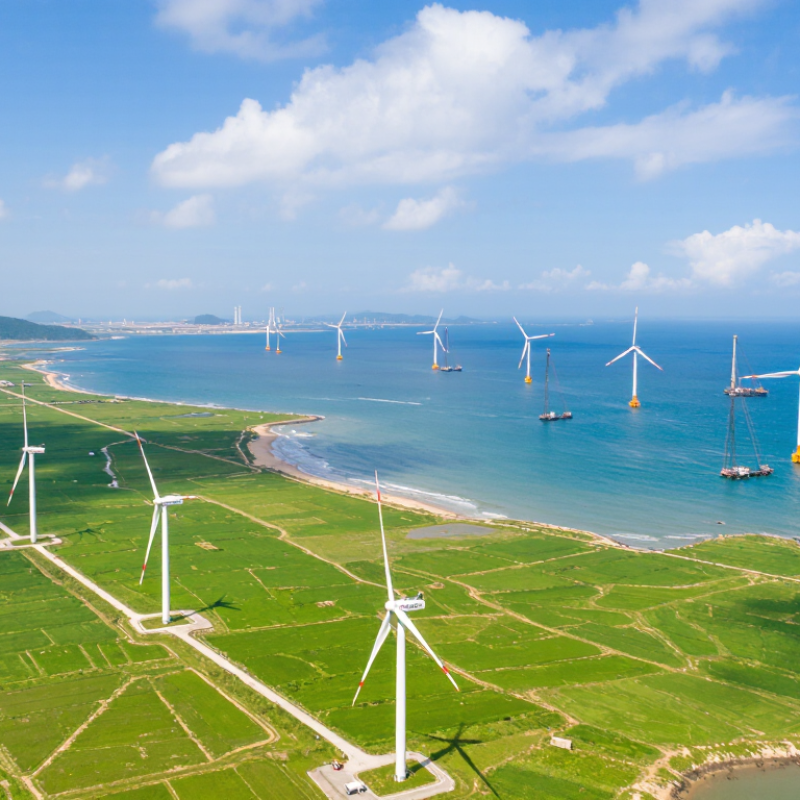
Onshore projects sit on land and may connect through existing transmission corridors. Offshore projects are built at sea: fixed-bottom foundations suit shallower waters, while floating platforms can reach deeper sites.
These labels describe project design, not guaranteed performance.
Wind measurements, wake effects, seabed conditions, and grid access all affect expected output. Smaller distributed projects may serve a factory or local network; utility-scale farms supply power to a wider system.
Different needs.
For procurement, classify the contract as carefully as the turbine setting.
A buyer might sign a power purchase agreement, participate in a shared project, or acquire an operating asset. Each option brings different control, price exposure, construction risk, and balancing responsibilities. Compare maturity as well: operating, under construction, permitted, or early-stage.
A permit does not guarantee delivery; grid upgrades and financing can shift schedules.
Check generation estimates against hourly demand, curtailment assumptions, and contract length.
Numbers can look tidy. Reality is less tidy.
Ask who controls the grid connection, what happens when output falls, and whether forecasts receive independent review. Project classifications can also change as development advances, so a sales-sheet label may not tell the whole story.
Utility-Scale Onshore Wind Projects
Top Wind Energy Project Types for Buyers in 2026?
Utility-Scale Onshore Wind Projects
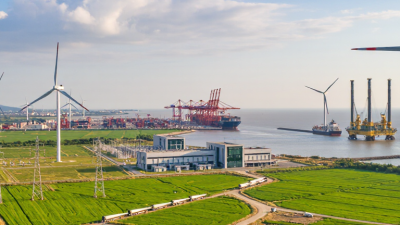
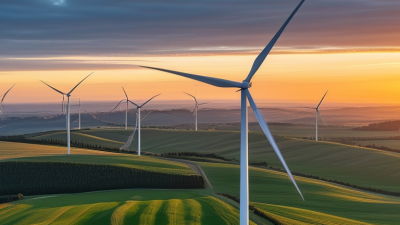
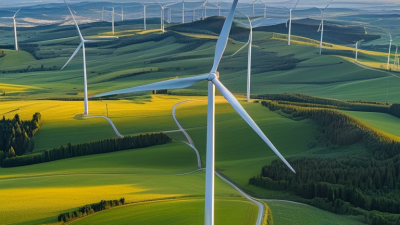
Utility-scale onshore wind projects offer buyers large volumes of electricity from turbines installed on land. The Global Wind Energy Council reported that the world added 117 GW of wind capacity in 2024, including roughly 109 GW onshore. That scale matters, but it does not make every project a sound purchase. Wind quality, grid access, land agreements, and construction timing can change the economics.
Buyers should review hourly generation estimates, not just annual output. Ask how measurements reflect local terrain, seasonal winds, turbine placement, and expected wake losses. Check the grid-connection status and who pays for required upgrades. A project map may look convincing; it cannot show every constraint. Independent technical reviews and clear records of land rights, permits, and equipment assumptions help reveal gaps. The numbers can still be wrong. Treat forecast uncertainty as a real cost, not a footnote.
Tips: Request the wind-resource assessment, energy-yield report, and grid studies. Compare expected production with conservative scenarios, and confirm how curtailment is handled in the contract. Walk the site if possible: nearby ridgelines, access roads, and transmission lines can make the project’s practical limits easier to see.
Fixed-Bottom and Floating Offshore Wind Projects
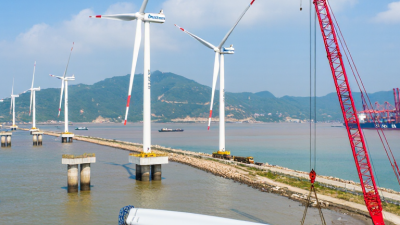
For buyers in 2026, choosing between fixed-bottom and floating offshore wind starts with the site, not the turbine. Fixed-bottom foundations are secured to the seabed, making them a familiar option in shallower waters with suitable ground conditions. Seabed surveys can reveal soil layers, while weather data helps estimate wind, waves, and safe installation windows. But “shallow” is not a universal cutoff; geology and construction methods matter. A neat map can still hide awkward ground.
Floating projects place turbines on buoyant platforms anchored to the seabed. They can open deeper-water areas where fixed foundations become impractical, potentially tapping stronger, steadier winds. Yet mooring layouts, moving export cables, port capacity, and assembly plans add design challenges. Buyers should test cost assumptions against project maturity and supply-chain readiness. Floating is not automatically the better choice; weather delays or cable complexity can change the economics. Some estimates will change.
Tips: Request site-specific foundation or mooring studies, realistic installation windows, cable-route assessments, and maintenance-access plans. Compare lifetime energy yield and project risks, not just upfront foundation costs. Keep contingency visible.
Distributed, Community, and Commercial Wind Projects
Distributed, community, and commercial wind projects serve different buyers in 2026. Distributed systems sit near the buildings or operations they supply. They can reduce exposure to grid interruptions, but output depends heavily on local wind conditions. A small turbine beside a warehouse may look practical; nearby trees or buildings can disrupt its airflow. Get an independent site assessment before comparing projected energy costs.
Community projects typically share generation among residents, businesses, or public facilities. Buyers should ask how subscription costs, energy credits, and maintenance responsibilities are handled. The details vary by project and location, so request written estimates rather than relying on broad savings claims.
Commercial projects usually involve larger turbines, longer development schedules, and more complex grid connections. They may suit buyers with steady demand and suitable land, but construction access, noise, and changing wind patterns deserve attention. Forecasts can still miss. That is frustrating, but realistic planning includes uncertainty.
Tips: Compare expected annual production, not just turbine capacity. Ask who handles repairs, how downtime is reported, and what happens if output falls short. Review the assumptions behind every cost estimate. A polished spreadsheet is not a substitute for a windy-site measurement.
Repowering and Wind-Solar Hybrid Projects for 2026 Buyers
Repowering can make an existing wind site more productive without starting from an empty field. Buyers should examine turbine age, maintenance records, energy output, and the condition of foundations and access roads. Newer machines may generate more power, but larger blades can require transport upgrades or changes to site infrastructure. The paperwork matters, too. Confirming land rights and grid access early can reveal costly delays.
Wind-solar hybrid projects combine generation profiles that may complement each other across the day and seasons. Solar panels can add output during bright daytime hours, while wind production may rise at different times. Not always. Local weather data should support the case, rather than broad assumptions about “balanced” generation. Buyers should also check whether the shared grid connection can handle the combined output and whether storage is technically and financially justified.
For either project type, compare expected production with actual site data and ask how estimates account for downtime, curtailment, and equipment replacement. A hybrid layout may reduce duplicated infrastructure, but it can add coordination and control-system complexity. Repowering can use familiar land and grid connections, yet construction may interrupt existing revenue. That trade-off deserves a careful cash-flow review. I would leave room for uncertainty; a neat forecast is not the same as a reliable operating plan.